(And Why It’s Holding Destinations Back)
Walk through ten destination websites today and you’ll start to feel a strange sense of déjà vu. Same structure. Same navigation. Same smiling couple on a beach. Same “hidden gem” language that somehow isn’t hidden at all.
For an industry built on uniqueness, travel and tourism marketing has a sameness problem.
And it’s not subtle.
The Rise of the Tourism Playbook
Over the past decade, a clear “playbook” has taken hold across DMOs and CVBs:
- Build your site on the same platform your competitors use
- Hire from a small circle of niche tourism agencies
- Follow a familiar content formula (itineraries, listicles, seasonal guides)
- Push out social content that looks… like everyone else’s
On paper, this makes sense. These tools and partners are “proven.” They’re specialized. They understand the space.
But somewhere along the way, “proven” became “prescriptive.”
And now, it’s starting to show.
When Specialization Becomes Standardization
A handful of companies power a massive portion of destination websites. It’s reliable, scalable, and purpose-built for tourism.
But when the majority of destinations use the same underlying system, and often similar templates or structures, the result is a kind of digital monoculture.
Layer on top of that a tight-knit ecosystem of agencies who all:
- attend the same conferences
- follow the same trends
- benchmark against each other
…and you get an industry that unintentionally optimizes for conformity.
No one sets out to make bland work. But the system nudges everyone in that direction.
The Content Treadmill
Then there’s the content.
“Top 10 Things to Do.”
“48 Hours In [Destination].”
“Hidden Gems You Need to Discover.”
These formats aren’t inherently bad. They perform. They’re familiar. They’re easy to scale.
But when every destination is publishing the same formats, with interchangeable tone and stock imagery, the content stops differentiating and starts blending.
It becomes noise.
Worse, it trains audiences to skim rather than feel. To scroll rather than engage.
Safe Work Doesn’t Build Memorable Places
Tourism marketing has quietly become risk-averse.
Stakeholders want consensus. Boards want predictability. Budgets demand justification.
So the work gets safer:
- Fewer bold creative swings
- More committee-approved messaging
- More reliance on what worked somewhere else
But here’s the problem: safe work doesn’t make people book trips.
Memorable work does.
The destinations that stand out aren’t the ones following the playbook perfectly. They’re the ones willing to break it.
The Cost of Looking Like Everyone Else
When your brand looks like every other destination:
- Your value becomes interchangeable
- Your story gets flattened
- Your audience chooses based on price or convenience and not emotional connection
And that’s a race no destination really wants to be in.
Because the truth is, no two places are actually the same.
But the marketing often suggests otherwise.
So What’s the Alternative?
Breaking out of the sameness doesn’t require abandoning everything that works. It requires rethinking how those tools and systems are used.
A few shifts that matter:
1. Start with truth, not templates
What’s genuinely different about your destination? Not what fits into a listicle, but what actually feels different when you’re there?
2. Build a brand, not just a website
A CMS is infrastructure. It shouldn’t define your identity.
3. Take creative risks (strategically)
Not everything needs to be safe. The right bold idea can outperform a year of “best practices.”
4. Stop benchmarking only within tourism
The most interesting ideas aren’t coming from other DMOs. They’re coming from brands outside the category.
5. Choose partners who challenge you
Not just ones who know the playbook, but ones willing to question it.
The Opportunity Hiding in Plain Sight
Here’s the upside: when everyone else looks the same, differentiation gets easier, not harder.
Standing out doesn’t require being louder. It requires being more distinct.
The destinations that recognize this shift early will have an advantage. They’ll create work people remember. Work people share. Work that actually moves the needle.
The rest?
They’ll keep producing perfectly acceptable marketing… that no one can quite recall.
At MDR, we believe tourism marketing should feel as unique as the places it represents. Because if your destination is one of a kind, your marketing should be too.
See how our Travel & Tourism Clients Stand out here.
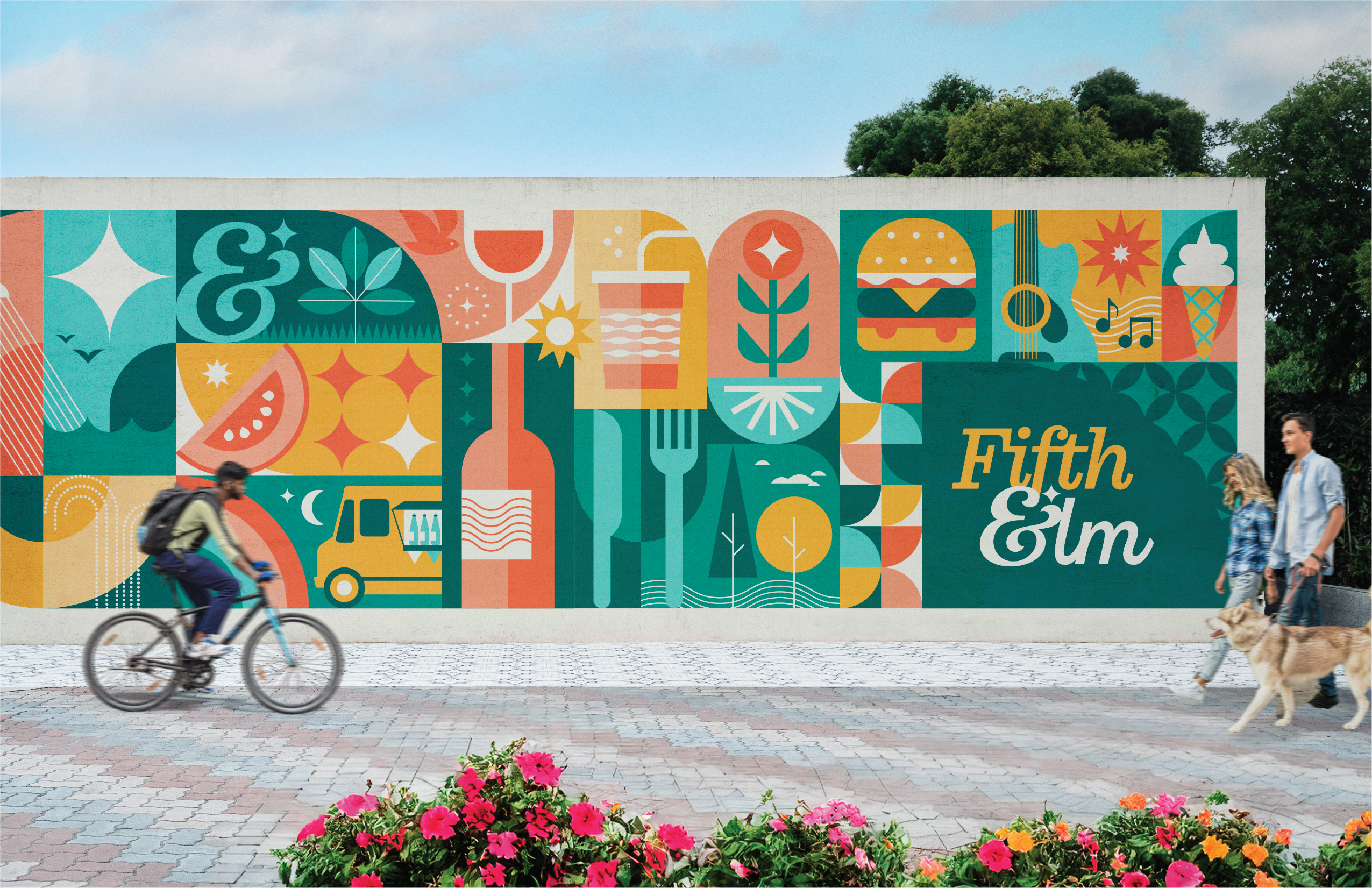
Fifth & Elm
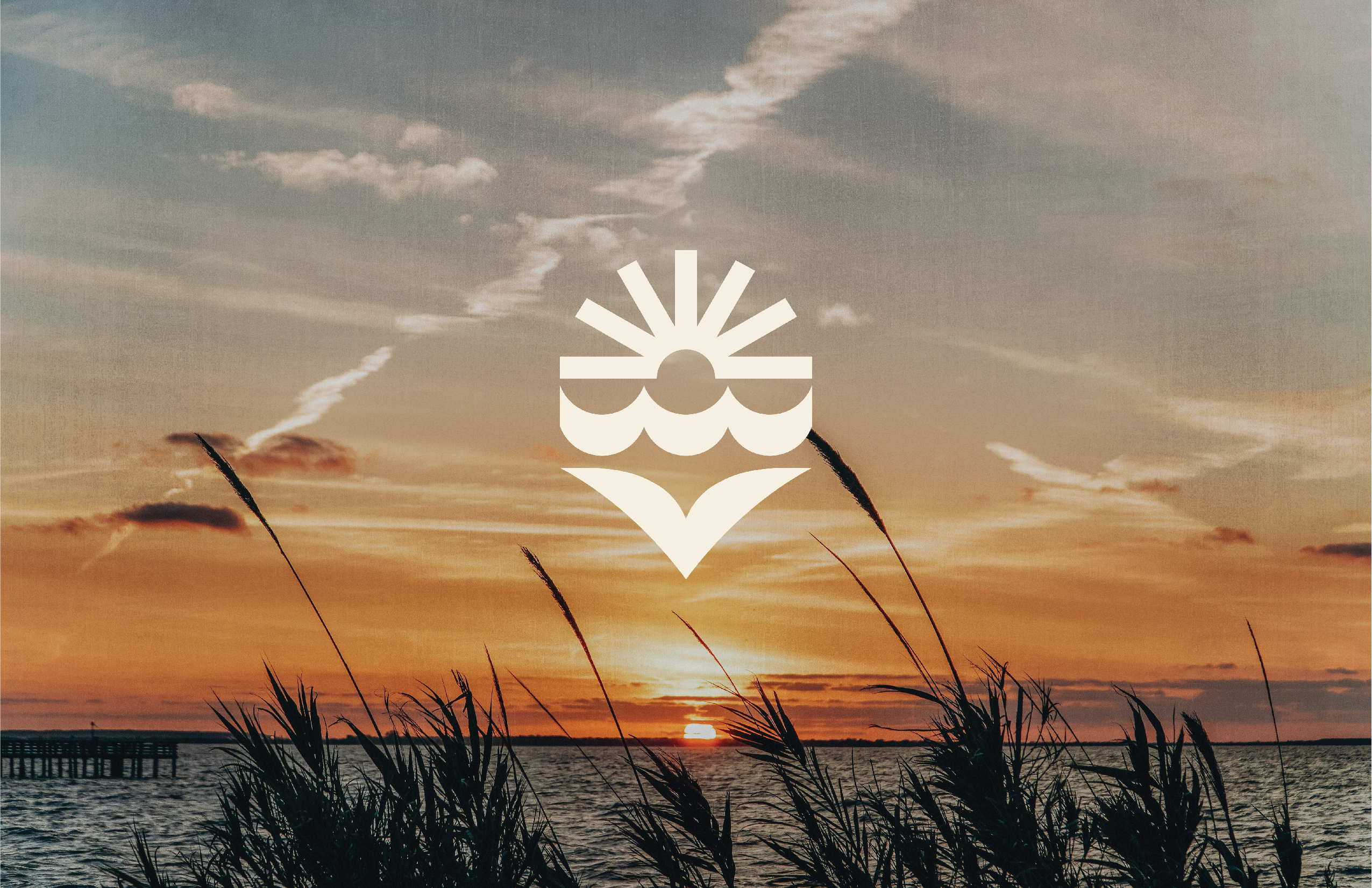
Visit Portland
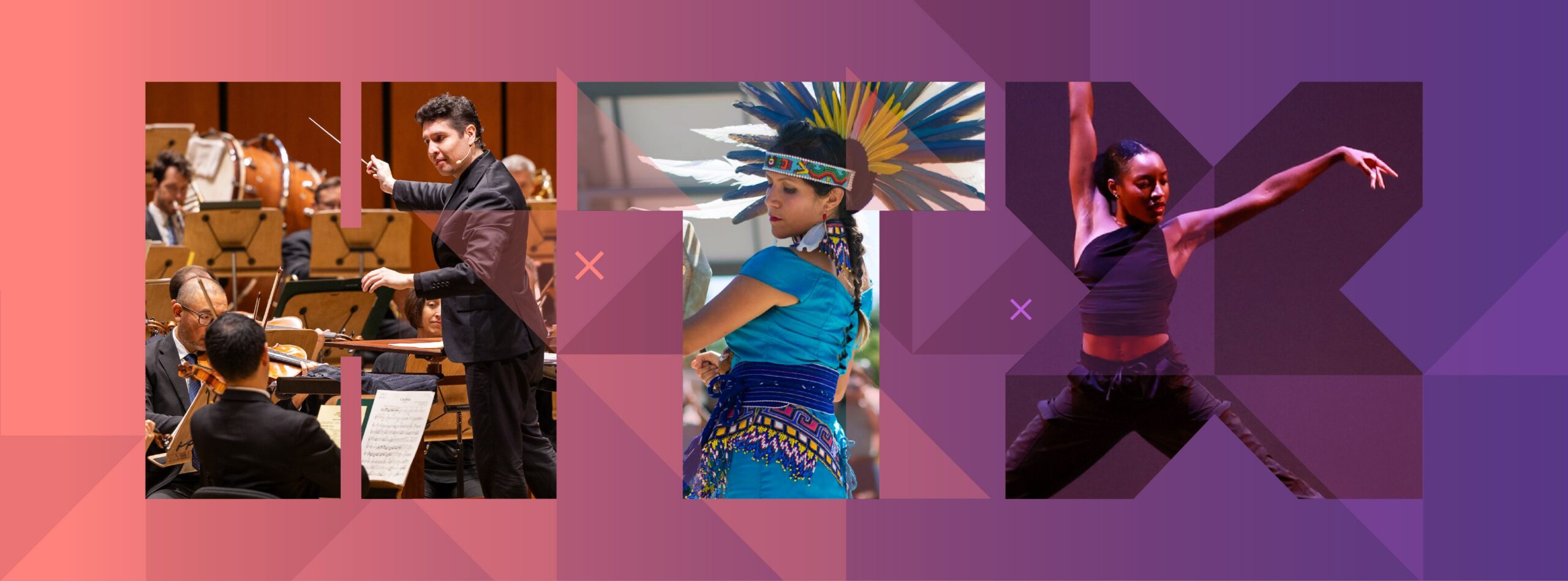
Houston Cultural Districts
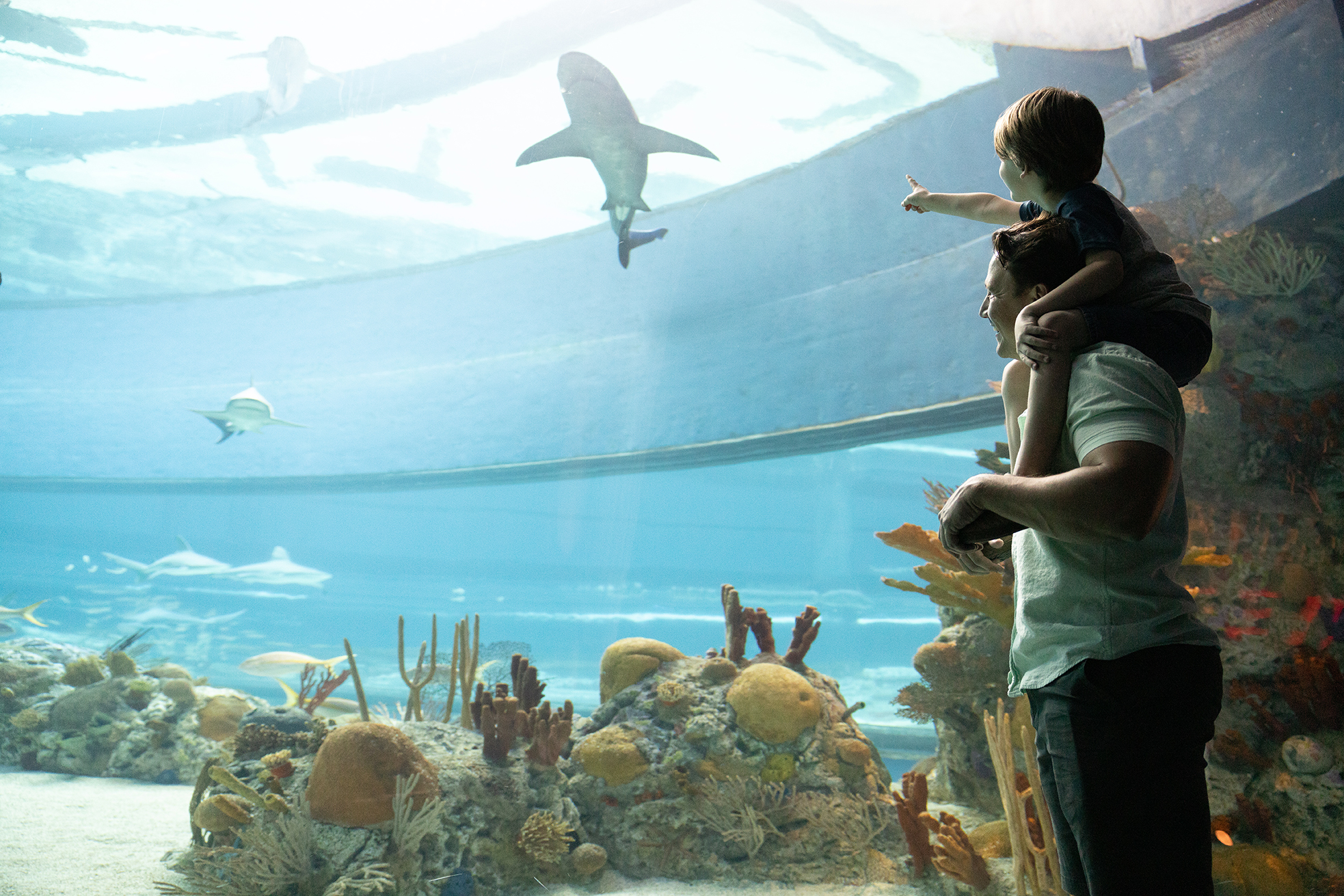
Texas State Aquarium
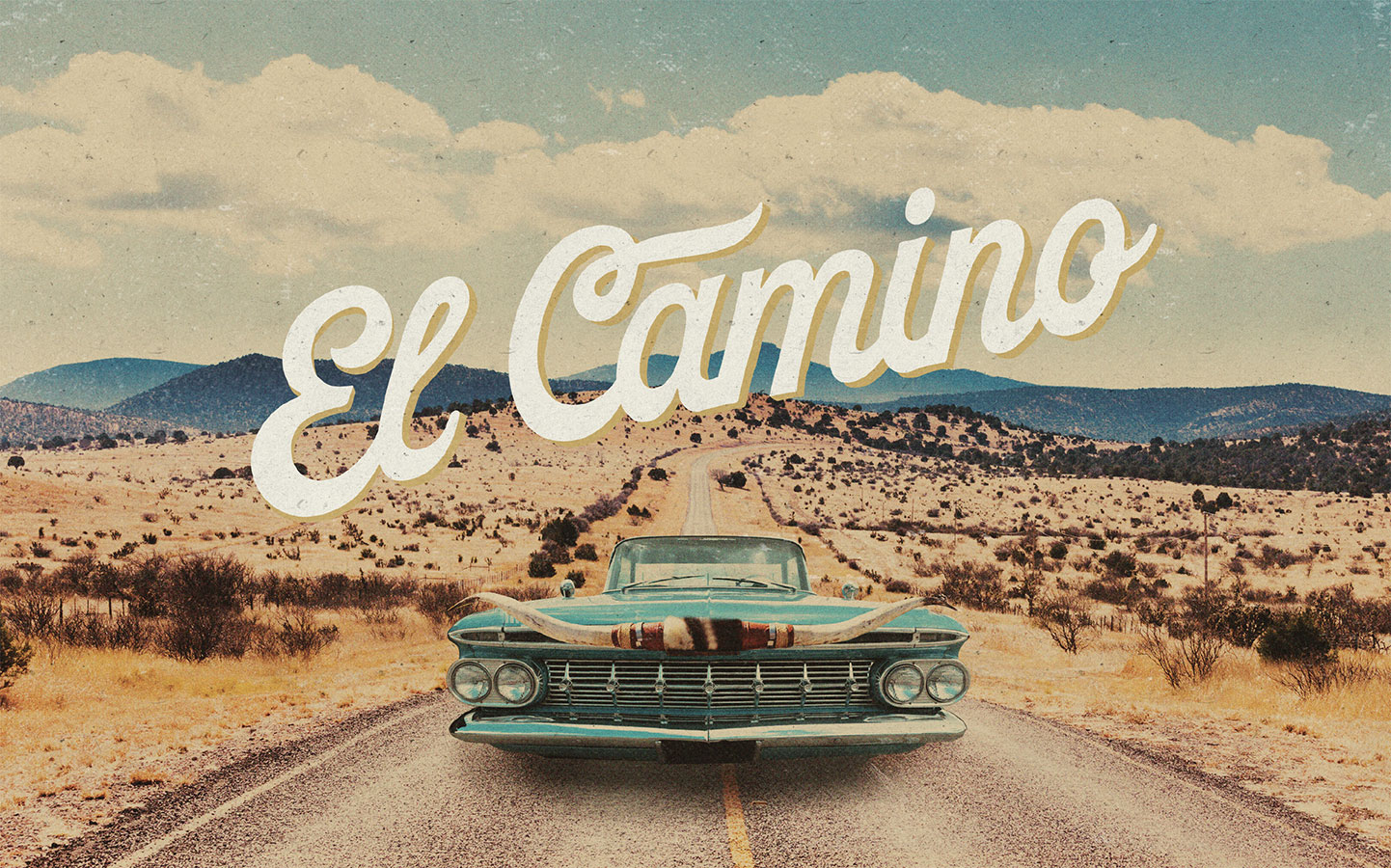
El Camino
Wildlife Rescue Center
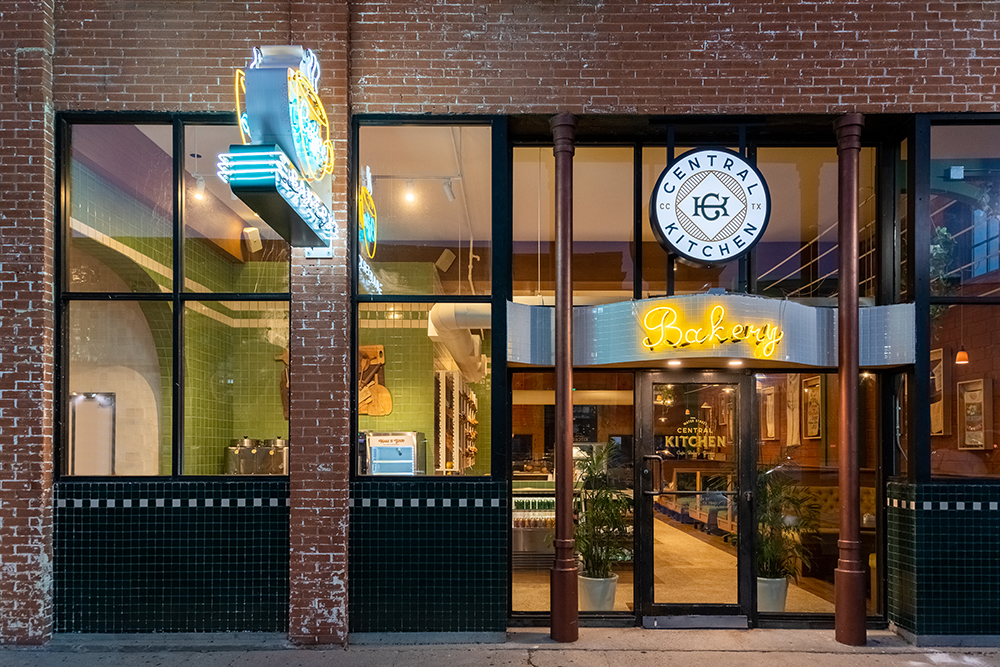
Central Kitchen
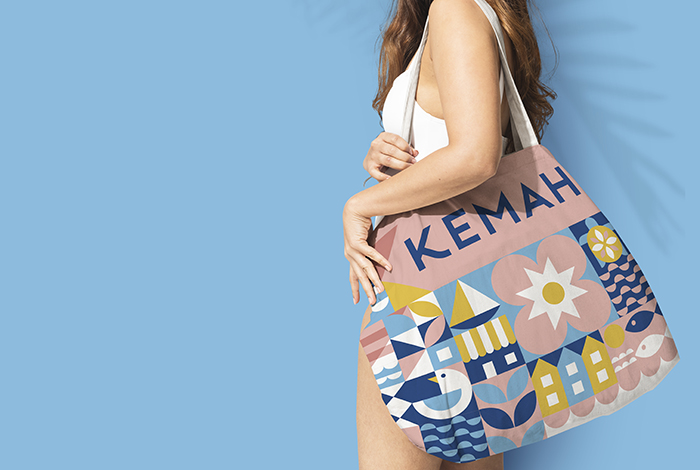
Discover Kemah
CCIA
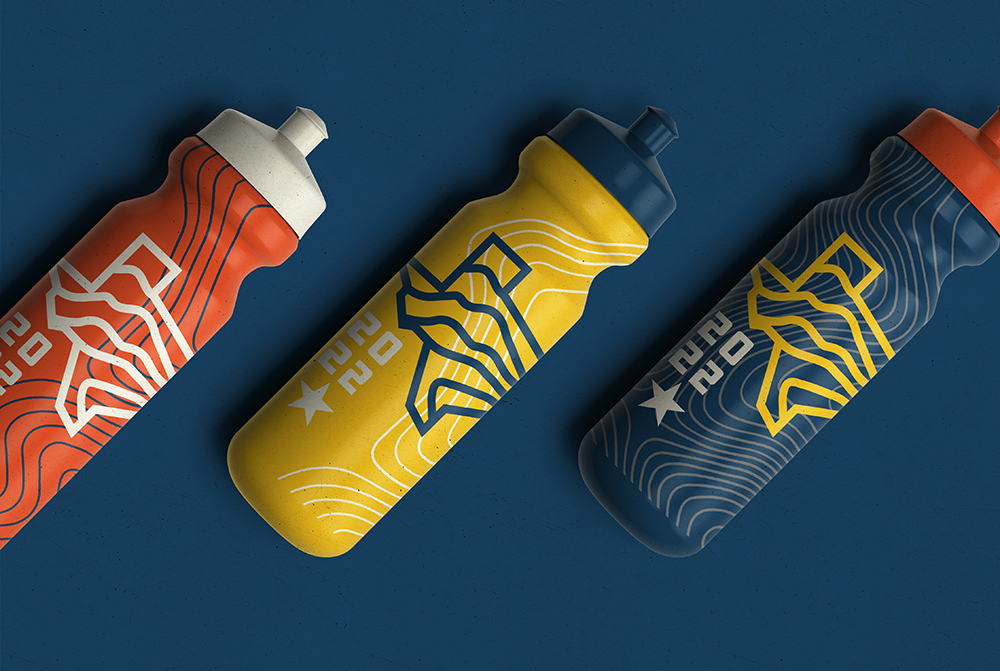
Tour de Boerne
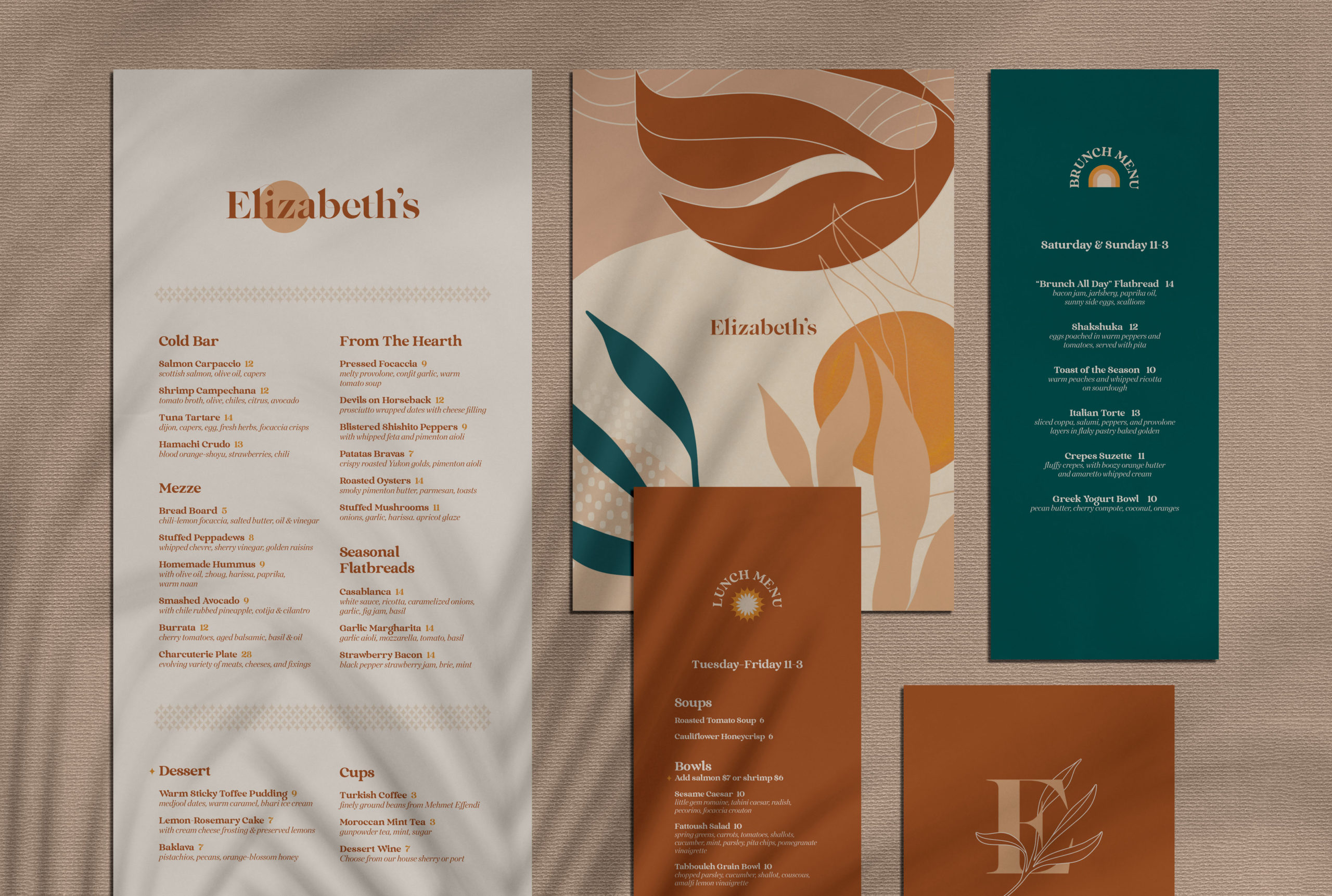
Elizabeth’s

Salute to Summer

Casa del Mar

Tour Gonzales
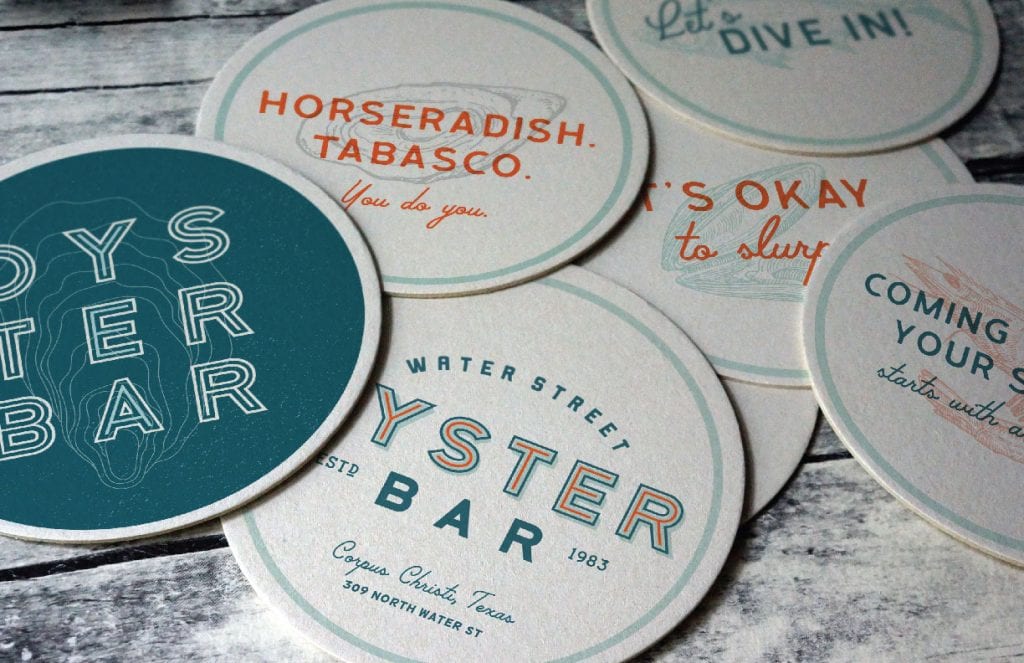
WaterStreet Oyster Bar
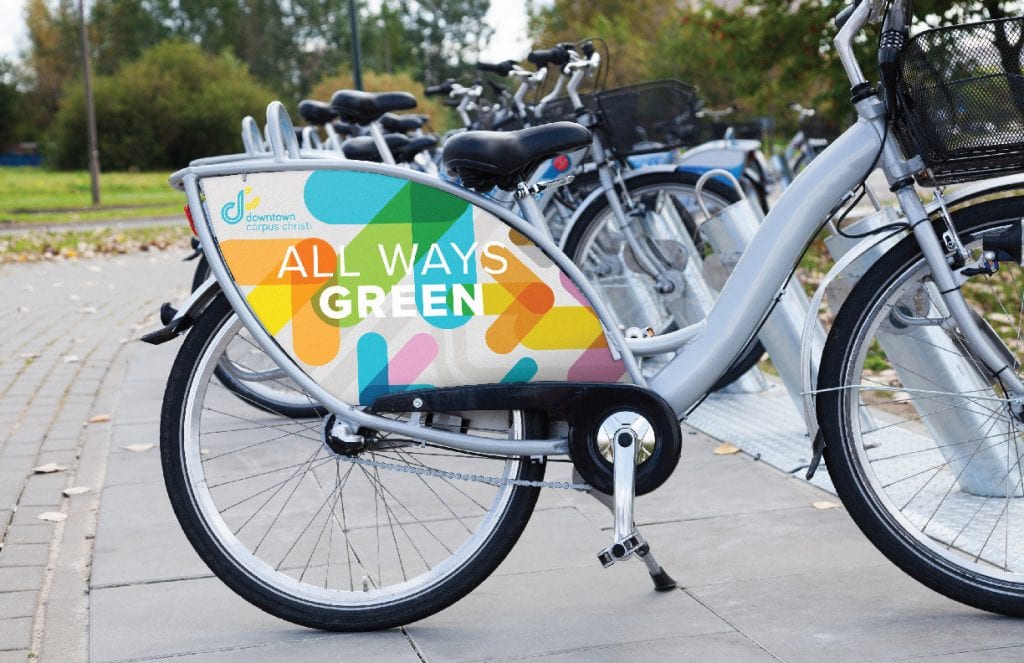
Downtown Corpus Christi

Visit Port Aransas
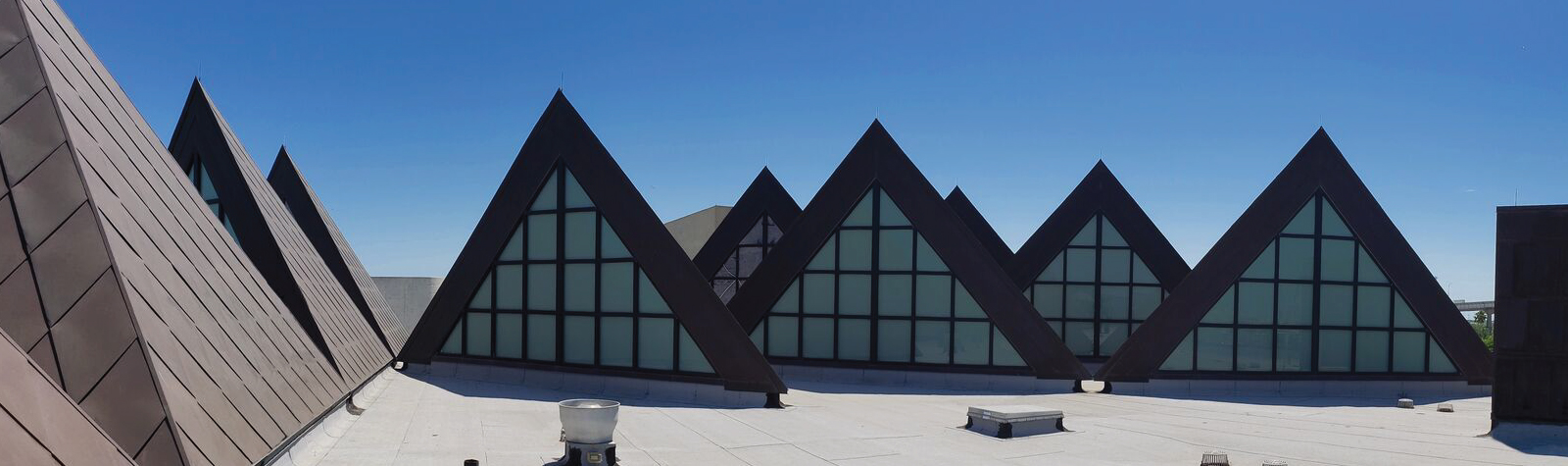
Art Museum of South Texas

USS Lexington Museum
Bolivar Peninsula

Marina Arts District

Port Aransas Fall Campaign
